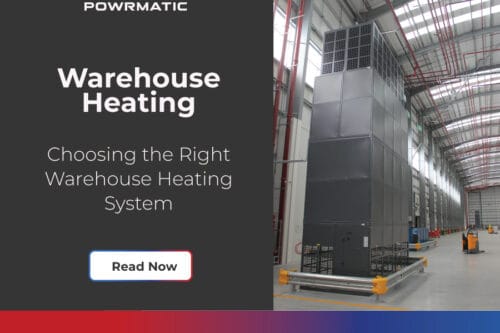
Improving Energy Performance Certificate (EPC) ratings in existing commercial buildings is one of the biggest challenges facing landlords, occupiers and EPC assessors today. With a large proportion of UK commercial stock built decades ago, many buildings rely on ageing HVAC systems that were never designed with modern efficiency or carbon targets in mind.
The reality of retrofit projects is that full system replacement isn’t always practical. Budget constraints, operational disruption and building limitations mean that improvements must be carefully targeted to deliver measurable EPC gains without unnecessary cost.
The good news is that HVAC offers some of the most effective opportunities for improvement. Below are seven proven strategies to improve EPC ratings in existing commercial buildings through practical, retrofit-friendly HVAC upgrades. In this blog article we explore the ways to improve commercial EPC ratings.
Government confirms revised EPC targets for larger commercial buildings
In a significant policy update, the Government has confirmed that the proposed minimum EPC rating of C by 2027/28 for rented commercial properties will not proceed. Instead, privately rented non-domestic buildings with a floor area exceeding 1,000m² will be required to achieve a minimum EPC rating of B by 2031, while properties below this threshold will continue to be subject to the current minimum standard of EPC E. The announcement provides greater certainty for landlords, investors and occupiers after several years of consultation and speculation. While the revised approach reduces immediate compliance pressure for many property owners, improving energy performance remains a key consideration for asset value, tenant demand, carbon reduction objectives and future regulatory resilience. Early planning and targeted energy efficiency improvements can still deliver significant operational and financial benefits ahead of the 2031 deadline.

1. Upgrade to Air Source Heat Pump Systems (Where Suitable)
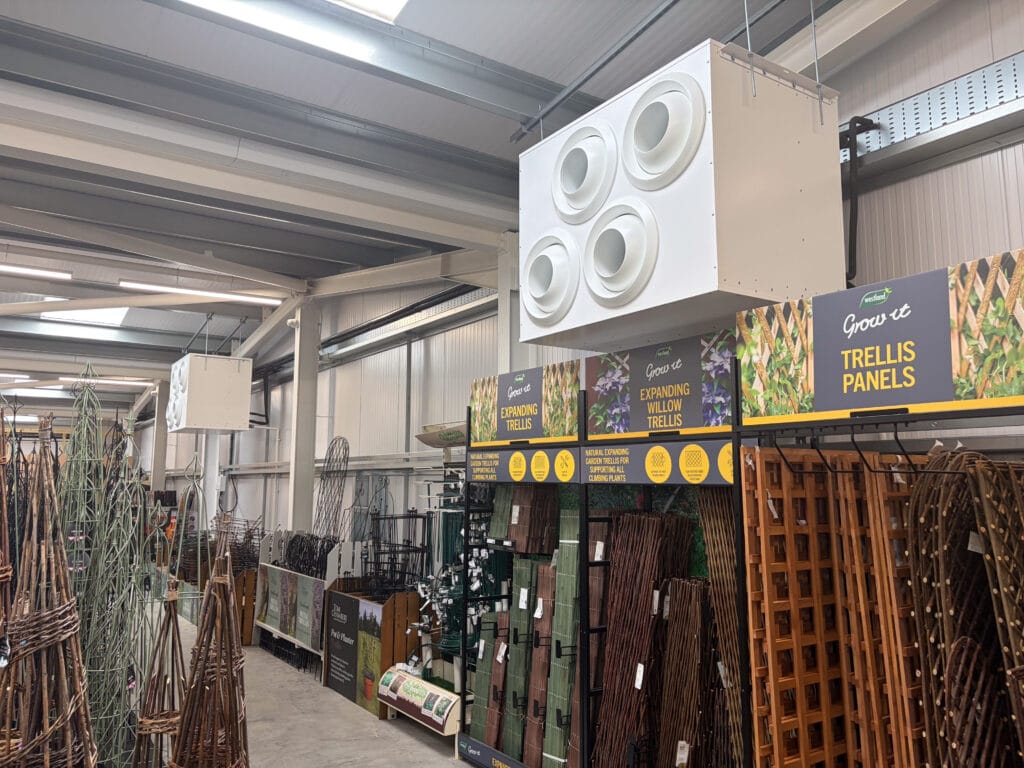
Air source heat pumps are one of the most impactful ways to improve EPC ratings, particularly when replacing older gas or oil-fired systems. For retrofit projects, they can offer a viable decarbonisation pathway where electrical capacity and building design allow.
Heat pumps work by transferring heat rather than generating it, making them highly efficient and capable of significantly reducing carbon emissions. In retrofit scenarios, they can be used as a full replacement or as part of a hybrid strategy alongside existing systems.
While retrofit projects often involve constraints, it’s worth noting how effective heat pump technology can be when designed from the outset. In a recent pre-construction EPC project, an air source heat pump system contributed to achieving an EPC A rating for a sustainable garden centre development, demonstrating the potential performance that can be achieved with the right specification.
Key EPC benefits:
- Significant carbon reduction
- High seasonal efficiency
- Supports long-term compliance with decarbonisation targets
- Can be integrated into phased retrofit strategies
2. Replace Fossil Fuel Systems with Direct Electric Warm Air Heating
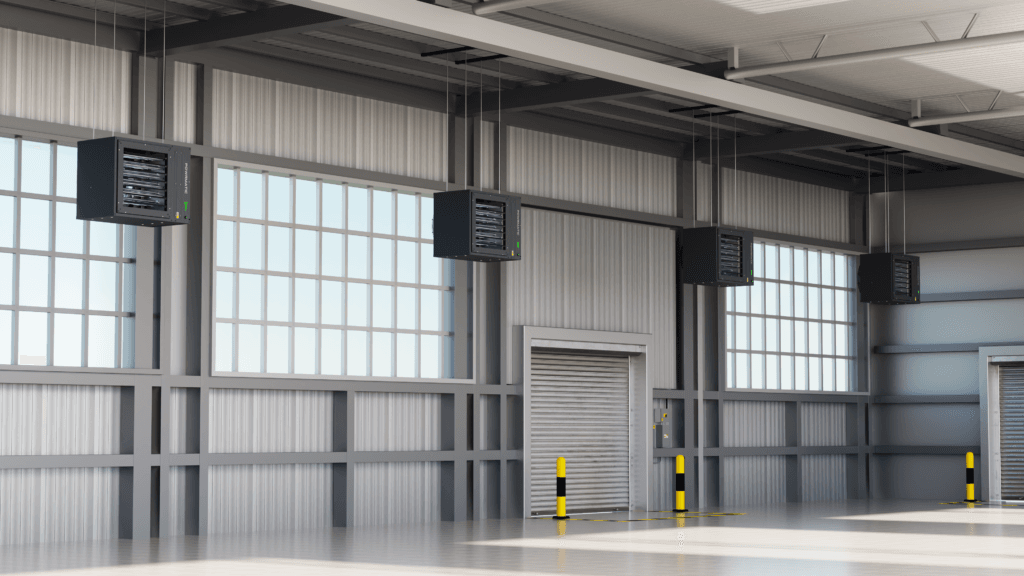
In many retrofit scenarios, removing gas infrastructure entirely can simplify compliance and improve EPC outcomes. Direct electric warm air systems provide a straightforward replacement for existing warm air heaters in warehouses, factories and commercial units.
These systems are particularly useful where a like-for-like replacement is required with minimal disruption to building operations.
Key EPC benefits:
- Eliminates on-site combustion emissions
- Simple retrofit installation
- High efficiency at point of use
- Supports electrification strategies
3. Use Electric Radiant Heating for Zoned Retrofit Solutions
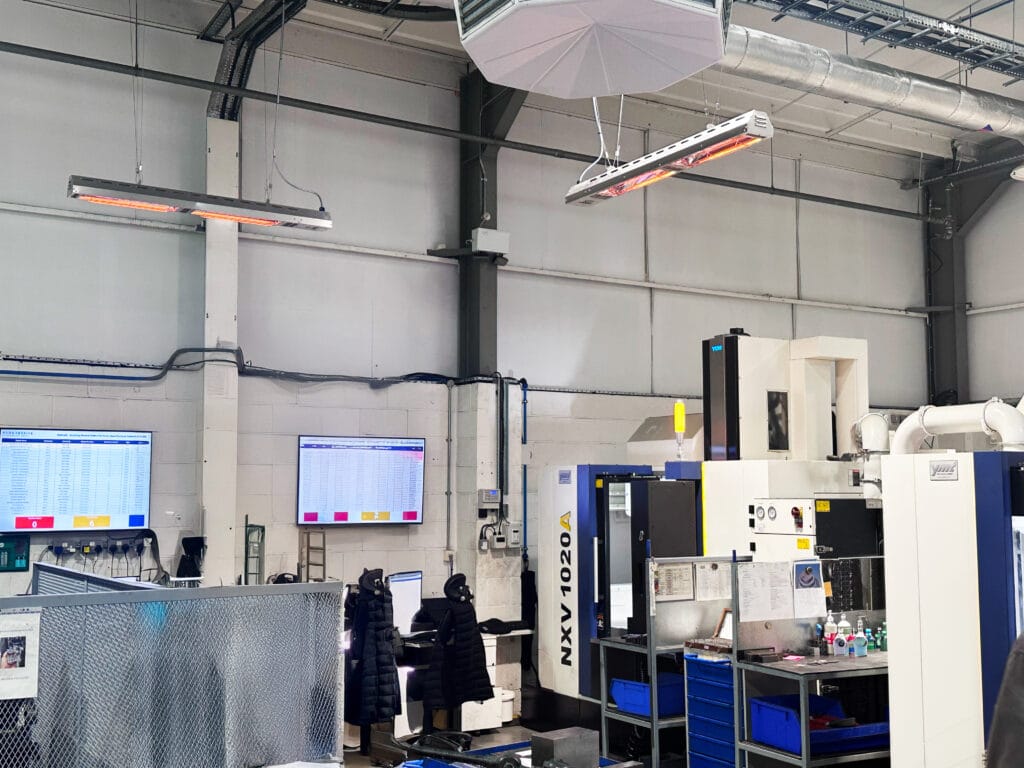
One of the biggest inefficiencies in existing buildings is heating large volumes of unused space. Electric radiant heating offers a retrofit-friendly solution by heating people and surfaces directly rather than the air.
This makes it ideal for partially occupied buildings, warehouses, workshops and production areas where only certain zones require heating.
Key EPC benefits:
- Reduced overall energy demand
- Targeted heating for occupied areas
- Fast response times
- Lower wasted energy in large spaces
4. Implement Heat Pump Air Rotation for Large Existing Buildings
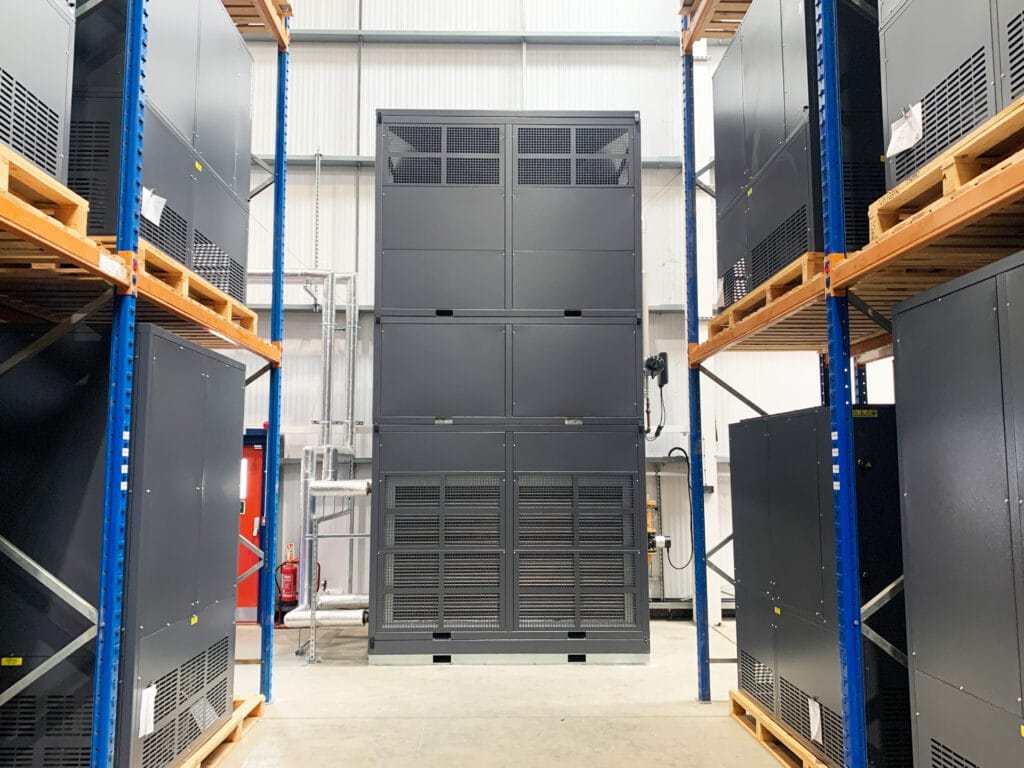

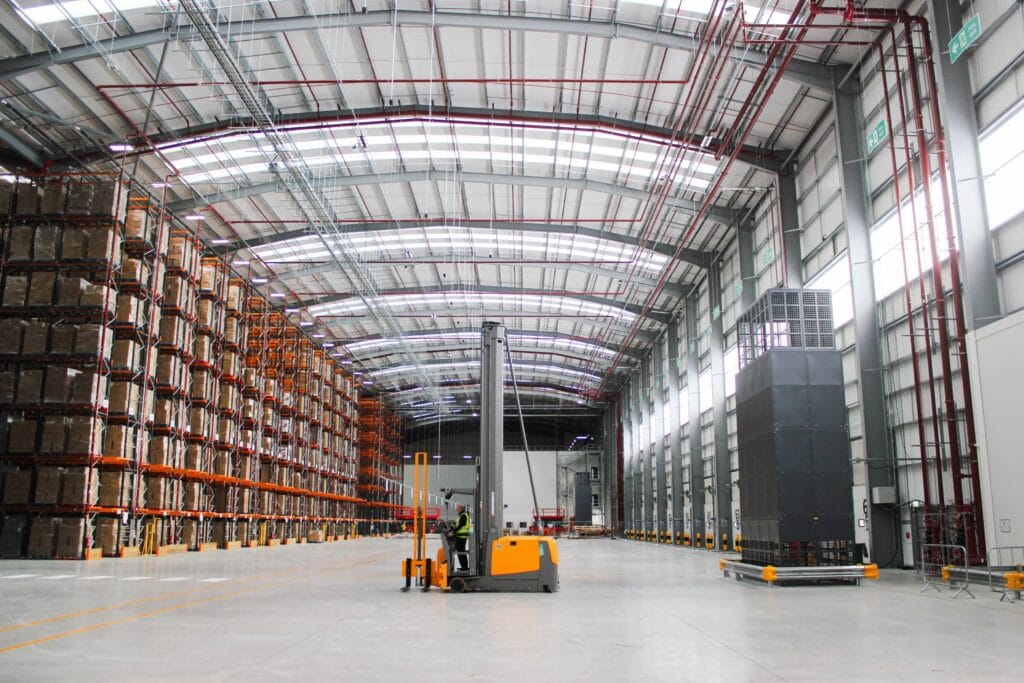
Large, high-bay buildings such as warehouses and logistics centres are among the hardest to retrofit efficiently. Traditional systems often struggle with uneven heat distribution and high energy demand.
Heat pump air rotation systems provide an effective retrofit solution by moving large volumes of air at low velocity, maintaining consistent temperatures and reducing cold spots across large floor areas.
Key EPC benefits:
- Improved temperature consistency
- Reduced stratification in tall spaces
- More efficient heating of large volumes
- Suitable for large-scale retrofit projects
5. Install Destratification Fans as a Quick Retrofit Upgrade
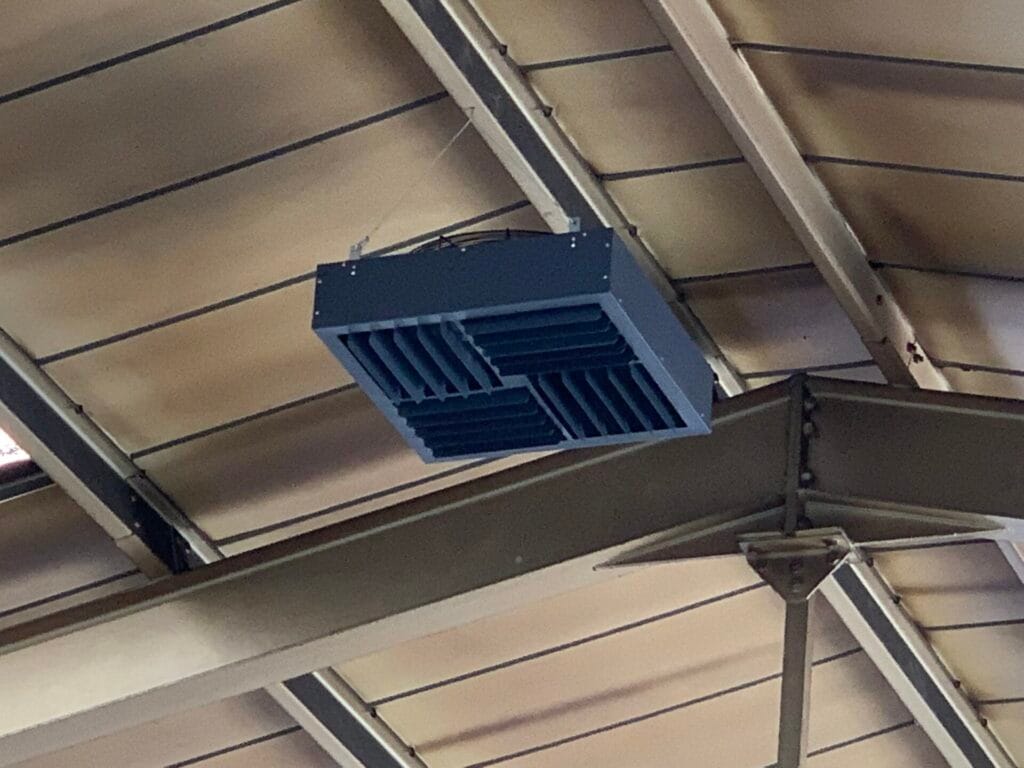
In many existing commercial buildings, a significant amount of heat is lost at roof level due to stratification. This is especially common in warehouses and industrial facilities with high ceilings.
Destratification fans are a simple, low-cost retrofit solution that recirculates warm air back down to occupied areas, improving comfort and reducing heating demand.
Key EPC benefits:
- Reduced heat loss
- Lower energy consumption
- Improved system efficiency
- Minimal disruption installation
In many cases, this upgrade alone can deliver noticeable improvements in EPC performance without major system changes.
6. Switch Existing LPG Systems to Bio-LPG or HVO
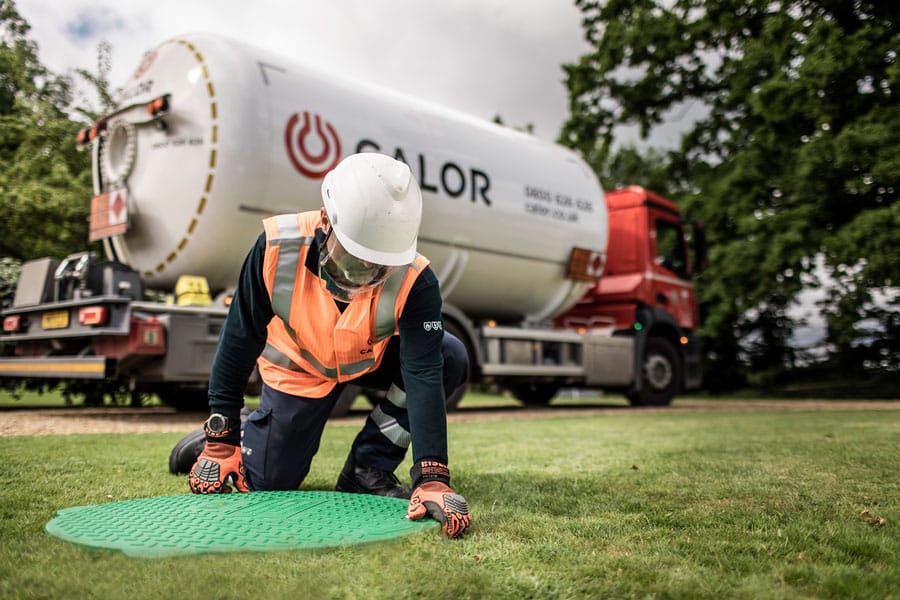
Not all retrofit projects can justify a full heating system replacement. Where existing plant remains operational, switching to lower-carbon fuels such as Bio-LPG or Hydrotreated Vegetable Oil (HVO) can provide a practical route to reducing emissions without the cost and disruption of major infrastructure changes.
Bio-LPG is chemically identical to conventional LPG but produced from renewable feedstocks, allowing it to be used as a direct replacement in existing LPG systems. Similarly, HVO is a renewable diesel alternative manufactured from waste fats, oils and other sustainable feedstocks. It can often be used in existing oil-fired heating systems with only minor modifications.
By significantly reducing fuel-related carbon emissions, both options can contribute towards improved building energy performance and support higher EPC ratings, particularly in older commercial buildings where full electrification is not currently viable.
Switching from heating oil to HVO can reduce reported carbon emissions by up to 88–90%, which can have a substantial positive effect on EPC calculations where fuel carbon factors are a significant contributor to the building’s overall rating.
Learn more here: Calor Bio-LPG
Key EPC benefits:
- Carbon emission reductions of up to 90% compared with conventional fossil fuels
- Potential for significant EPC rating improvements through reduced building CO₂ emissions
- Minimal disruption and lower capital expenditure compared with full plant replacement
- Utilises existing heating infrastructure, reducing waste and embodied carbon
- Ideal for off-grid and hard-to-decarbonise retrofit projects
- Supports ESG, net-zero and corporate sustainability objectives
For organisations seeking a cost-effective decarbonisation strategy, Bio-LPG and HVO can provide an immediate reduction in operational carbon emissions while extending the life of existing heating assets.
7. Optimise HVAC Controls for Immediate Efficiency Gains
One of the most overlooked opportunities in existing buildings is HVAC control optimisation. Even relatively modern systems can perform poorly if they are not properly controlled.
Retrofitting control systems—such as programmable timers, zoning controls, occupancy sensors and smart thermostats—can significantly reduce energy waste without replacing core plant.
Key control strategies:
- Scheduling: Match heating and cooling to occupancy patterns
- Zoning: Heat only the areas that are in use
- Sensors: Automatically adjust based on occupancy and conditions
- Monitoring: Track performance and identify inefficiencies
Key EPC benefits:
- Reduced unnecessary energy consumption
- Improved overall system efficiency
- Lower operating costs
- Extended equipment lifespan
Why HVAC Retrofit is Critical for EPC Improvement
HVAC systems account for a significant proportion of energy use in commercial buildings. As highlighted in the supporting presentation :contentReference[oaicite:1]{index=1}, many EPC assessors encounter buildings with outdated heating systems where clients face difficult decisions between removal, replacement or doing nothing.
The most effective approach is rarely a single upgrade. Instead, combining multiple retrofit strategies—such as improved heat generation, better air distribution, enhanced controls and lower-carbon fuels—can deliver meaningful EPC improvements without major disruption.
Working Alongside EPC Assessors
Retrofit projects require practical, buildable solutions—not just theoretical recommendations. By working alongside HVAC specialists, EPC assessors can provide clearer guidance and more achievable upgrade pathways for their clients.
Powrmatic works with EPC assessors and their clients to review existing systems, identify quick wins and design tailored HVAC solutions that improve building performance while remaining practical and cost-effective.
Arrange a Commercial HVAC Site Survey
If you are an EPC assessor looking to support your clients with practical retrofit solutions, contact Powrmatic to arrange a site survey.
Powrmatic can assess existing HVAC systems, recommend the most effective improvements, and work alongside you or directly with your clients to implement solutions that improve commercial EPC ratings.
Share this article
Back to News